
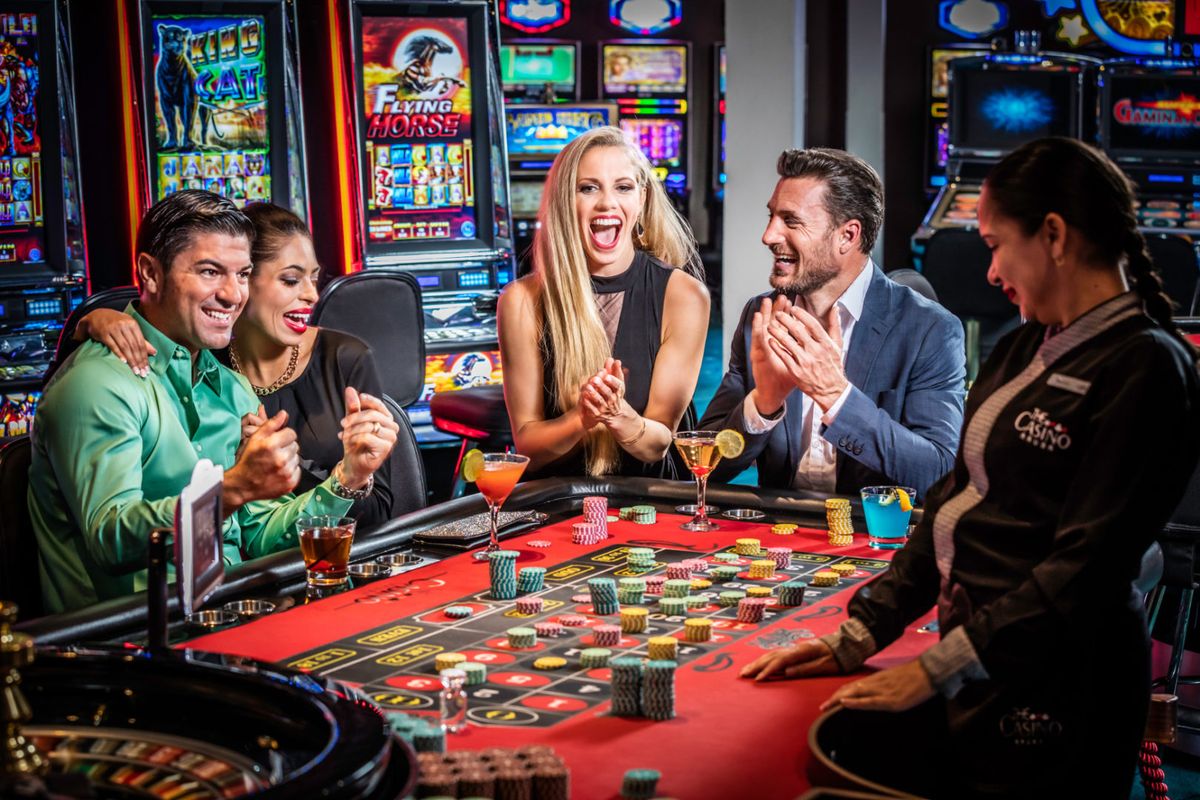
Casino games are designed to keep you playing. Colors, sounds, features, everything aims to hook your brain. Understanding these psychological tricks helps you resist them. This article reveals how game designers use psychology against players. You will learn about near-misses, reward schedules, and sensory manipulation. Knowledge is your defense. Let’s peek behind the curtain at how casinos play with your mind.
Near-miss psychology makes you think you almost won. A slot shows two jackpot symbols on the payline with the third just above or below. Your brain treats this like a close call. It releases dopamine similar to an actual win. You feel like you were so close, so you spin again. The truth is near-misses are programmed into the game. They happen more often than true randomness would allow. The game is literally designed to make you think you almost won to keep you playing. Recognizing near-misses for what they are, manipulated losses that feel like almost-wins, breaks their spell. You lost. That’s it. The position of non-winning symbols means nothing.
Variable reward schedules are incredibly addictive. You never know when the next win will come. This unpredictability keeps you hooked way more than predictable rewards. Slot machines use this perfectly. Most spins lose, but occasional wins pop randomly. Your brain loves this mystery. It keeps pulling that lever hoping the next one pays. This same psychology powers social media likes and loot boxes in video games. Our brains are wired to chase random rewards. Casinos exploit this hard. Recognizing the pattern helps you step back. You are being manipulated by randomness designed to addict. Taking breaks disrupts the cycle.
Sensory overload with lights, sounds, and animations celebrates wins. Even tiny wins get flashy graphics and jingles. A five-cent win on a one-dollar bet gets the same fanfare as a real profit. This disguises losses as wins. Your brain hears the celebration and feels good, even though you just lost 95 cents. Casinos call these “losses disguised as wins.” They keep your mood up and your play going. Mute the sound and dim the screen to reduce this effect. The sensory manipulation loses power when you remove the stimuli. Games feel way less exciting without sound, which proves how much they rely on it to hook you.
The illusion of control makes you think skill affects random games. Slots let you hit a button instead of watching auto-spin. This interaction feels like control, but outcomes are predetermined. The button press is theater. Some games let you pick symbols or choose bonus options. These choices do not change expected value. They just make you feel involved. This illusion keeps people engaged and playing longer. The truth is you have zero control over random outcomes. Your choices do not matter mathematically. Accepting this removes false confidence and helps you see games for what they are: pure chance with fancy packaging.
Game speed keeps you playing faster and losing more. Online slots spin in seconds. No waiting for physical reels. This speed means more bets per hour. More bets mean more exposure to house edge. Casinos profit more from fast games. Your bankroll drains quicker. Slow down deliberately. Wait a few seconds between spins. It feels awkward because games are designed to pull you into rapid-fire play. Resisting this urge protects your money. Play at your pace, not the game’s designed tempo. Speed benefits the casino, not you. Taking your time gives you more entertainment per dollar and more moments to decide if you actually want to keep going. For more information please visit luckytown plus
Autoplay features remove conscious decision-making. You set it and watch. This disengages your brain from the reality of each bet. You lose track of how much you are spending. Autoplay is convenient, but it’s also dangerous. You can burn through your bankroll without really noticing. Every spin should be a decision. Clicking or tapping each one keeps you engaged and aware. Autoplay removes that awareness. Casinos love it because players lose track. Avoid autoplay. Manual play keeps you conscious of your spending and gives you natural break points to reassess if you want to continue.
Gamification adds levels, missions, and achievements to gambling. You unlock features or climb leaderboards. This makes play feel like a game instead of gambling. Your brain focuses on completing missions instead of money lost. Casinos use this to shift attention from losses to goals. Achievements trigger dopamine hits separate from gambling wins. You feel rewarded even when you are down money. Recognize gamification for what it is: a distraction from the fact that you are gambling real money. Those levels and badges have no cash value. Focus on your actual balance, not fake progress bars. The real game is your money versus the house edge. Everything else is set dressing designed to make you forget that truth.